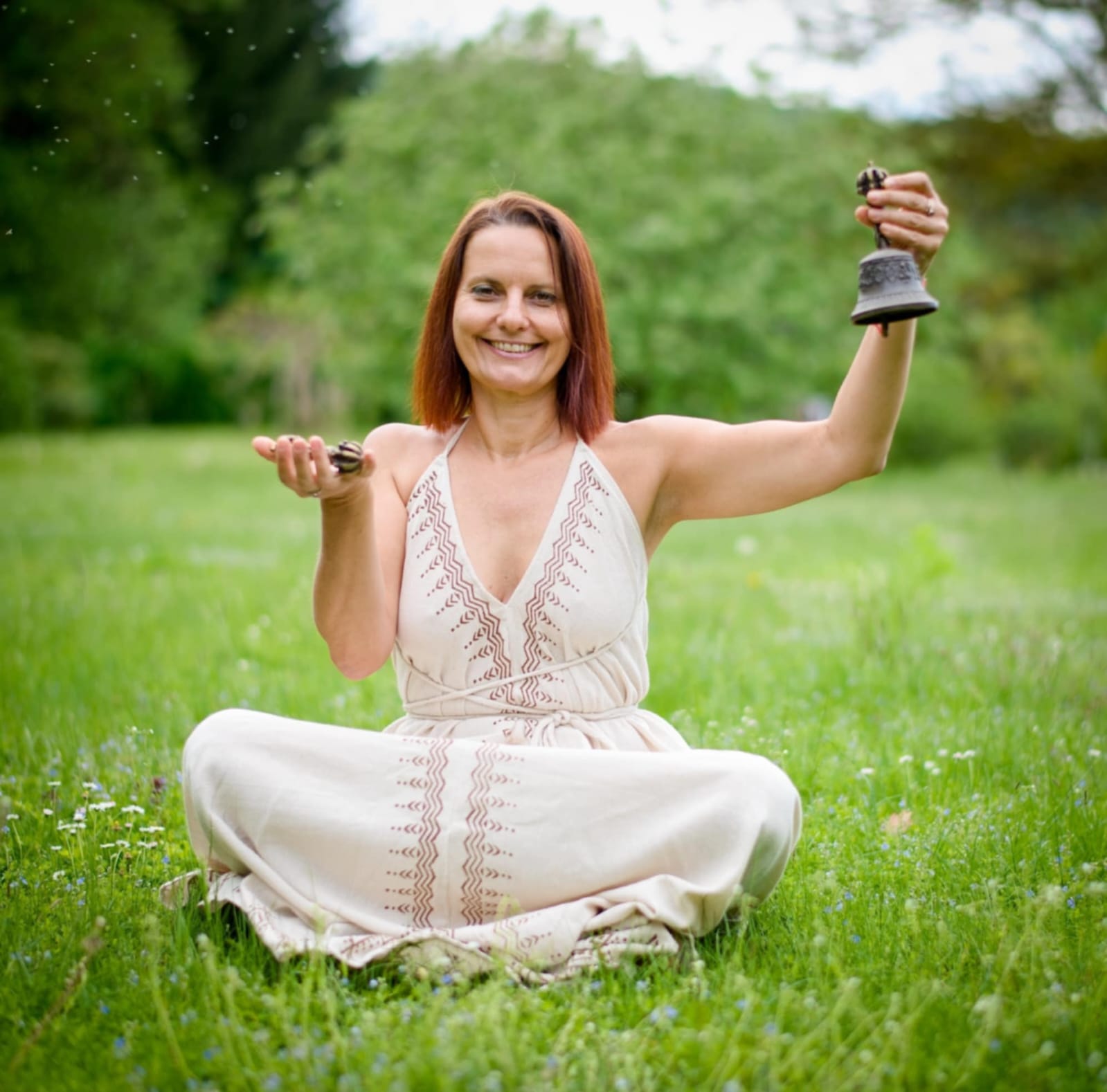
What is Somatic Experiencing? — by Lenka Lorien
Somatic Experiencing® (SE™) is a form of therapy designed to help people heal from trauma by working directly with the body's responses — not only the mind. The word 'somatic' means 'relating to the body', and that is exactly where this method focuses its attention. Rather than asking a person to relive or narrate what happened to them, SE works with the subtle physical sensations — a tightened chest, shallow breath, a slight shift in posture — that remain in the nervous system long after the event itself has passed.
The approach was developed by Dr. Peter A. Levine Ph.D., an American psychologist and biological physicist, over more than forty years of observation and practice. Levine noticed something remarkable about prey animals in the wild: creatures whose lives are routinely threatened — deer, rabbits, birds — are able to recover quickly from near-death encounters by physically discharging the survival energy their bodies mobilised during the threat. They shake, tremble, and breathe deeply, and then they simply move on, showing no signs of lasting trauma. Humans, by contrast, tend to suppress these same natural discharge responses through shame, habitual thinking, and the judgements we carry about how we 'should' behave. As a result, the survival energy never fully leaves the system — and it is this incomplete discharge that Levine identified as the root of post-traumatic stress.
SE sessions take place in a safe, conversational setting between client and practitioner. Rather than working with large volumes of traumatic material at once, the therapist introduces only small amounts — tracking how the client's body responds, noticing shifts in breathing, muscle tone, and physical sensation. The process is gentle and paced entirely by the client's own nervous system. The goal is not catharsis or dramatic release, but something more nuanced: helping the body complete what it could not complete at the time of the trauma, restoring a sense of ease and natural rhythm to the nervous system.
The techniques used within a session can include breath awareness, guided attention to bodily sensations, gentle movement, grounding exercises, resource-building, and — when combined with hands-on work such as craniosacral therapy — physical contact. What they share is a common orientation toward the body as a place of intelligence and healing, not simply a container for psychological content.
SE is suitable for a wide range of people. It can be especially helpful for those who have tried more conventional talk therapies without finding full relief — perhaps because the trauma was pre-verbal, physical, or simply too overwhelming to process through language alone. It is used to support recovery from PTSD, anxiety, depression, chronic pain, digestive difficulties, sleep disorders, grief, addiction, and the sequelae of physical trauma such as accidents or domestic abuse. Because it is grounded in mindfulness and body awareness, it can also be valuable for anyone who simply wants to develop a closer, more trusting relationship with their own internal experience.
In my own practice, I find that SE works beautifully alongside biodynamic craniosacral therapy. The two approaches share a common philosophy — listening to the body's own intelligence, working with rather than against the nervous system, and holding the client in an atmosphere of deep safety. The difference is that SE is primarily verbal, working through guided awareness and conversation, while craniosacral therapy works through touch. Used together, they address both the relational and the somatic dimensions of trauma simultaneously. I often notice that clients who arrive unable to feel their bodies clearly — disconnected, numb, or hyper-vigilant — begin, over the course of sessions, to experience something they describe as returning home to themselves.
I believe deeply that the three primary instruments of healing are touch, safety, and the experience of being genuinely heard. These are not abstract values but practical conditions. A child whose earliest needs were not met, or an adult who survived something that felt unsurvivable, often carries within them a body that has never quite known what it feels like to be safe. SE — and craniosacral therapy, and the patient, compassionate attention that underlies both — offers a way back. Not by forcing the past into words, but by allowing the nervous system to finally, gently, let it go.
Lenka Lorien is a trauma practitioner and somatic therapist based in Prague and London, specialising in Somatic Experiencing®, biodynamic craniosacral therapy and hypnotherapy. She works with individuals across Europe, in person and online. To explore sessions or upcoming retreats, visit dharte.com/lenka.